
How to Climb Kilimanjaro Successfully
Climbing Mount Kilimanjaro is one of the most powerful experiences you can have. But reaching the summit is not only about strength. It is about making the right choices from the beginning.
As a local guide here in Tanzania, I have seen many climbers reach the top with joy, and others turn back close to the summit. The difference is not always fitness. It is preparation, patience, and good guidance.
In this guide, I will show you how to climb Kilimanjaro successfully in a simple and practical way.
Things to Consider In order to Climb Kilimanjaro Successfully
1. Choose the Right Route
Not all routes are the same.
Some are short and steep. Others are longer and give your body more time to adjust.
If your goal is success, choose routes with more days. This helps your body get used to the altitude.
Good options include:
- Lemosho Route
- Machame Route
- Northern Circuit
Avoid choosing the shortest route just to save money or time. It reduces your chance to reach the summit.
2. Give Yourself Enough Days
Time is your biggest advantage on the mountain.
The more days you spend climbing, the better your body adapts to the height.
Recommended:
- Minimum 6 days
- Better 7 to 8 days
Climbers who rush often face altitude sickness.
3. Understand Altitude and Go Slowly
The biggest challenge on Kilimanjaro is altitude, not distance.
As you go higher:
- Oxygen becomes less
- Your body works harder
The best rule we use as guides is simple: Walk slowly
We say “pole pole” which means slowly slowly.
This helps your body adjust and keeps your energy strong for summit day.
4. Train Before You Come
You do not need to be an athlete, but you must prepare.
Focus on:
- Walking long distances
- Hiking on hills if possible
- Building stamina
Training helps your body handle long days of walking.
5. Eat and Drink Well on the Mountain
Many climbers lose appetite at high altitude, but eating is very important.
- Eat even when you are not very hungry
- Drink enough water every day
- Avoid dehydration
Good energy helps your body fight altitude and stay strong.
6. Listen to Your Guide
Your guide is your biggest support on the mountain.
We check:
- Your breathing
- Your energy
- Signs of altitude sickness
Always be honest about how you feel.
Do not try to hide symptoms. Early action can save your climb.
7. Choose the Right Season
Weather affects your success.
Best times:
- January to March
- June to October
These months have more stable weather and better conditions.
Avoid heavy rain seasons if possible.
8. Use Proper Gear
Good gear makes a big difference.
You need:
- Warm layers for cold nights
- Strong hiking boots
- Rain protection
- Good sleeping bag
The summit is very cold, and preparation is key.
9. Prepare Mentally
Climbing Kilimanjaro is also a mental journey.
There will be:
- Long days
- Cold nights
- Moments of doubt
Stay focused on your goal. Take one step at a time.
10. Respect the Process
Success on Kilimanjaro is not about rushing.
It is about:
- Taking your time
- Trusting your team
- Respecting the mountain
Those who follow this approach have the highest success rate.
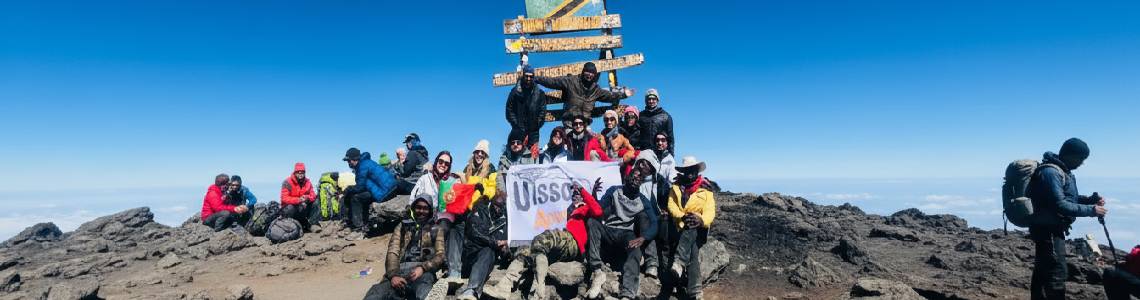
Final Advice From Us
Reaching the summit of Mount Kilimanjaro is possible for many people.
You do not need to be the strongest.
You need to be:
- Patient
- Prepared
- Supported by the right team
If you follow these steps, your chances of success will be very high.
Frequently Asked Questions
What is the success rate of climbing Kilimanjaro
Success depends on the route and number of days. Longer routes have higher success rates.
Do I need climbing experience
No technical climbing experience is needed. It is a trek, not a technical climb.
What is the biggest challenge on Kilimanjaro
Altitude is the biggest challenge, not fitness.
How slow should I walk
Very slow. The slower you go, the better your body adapts.
Can beginners reach the summit
Yes, with good preparation and enough days on the mountain.
What is the most important tip for Kilimanjaro Climb success
Take more days and do not rush your climb.