By Uisso Adventures · September 2, 2026
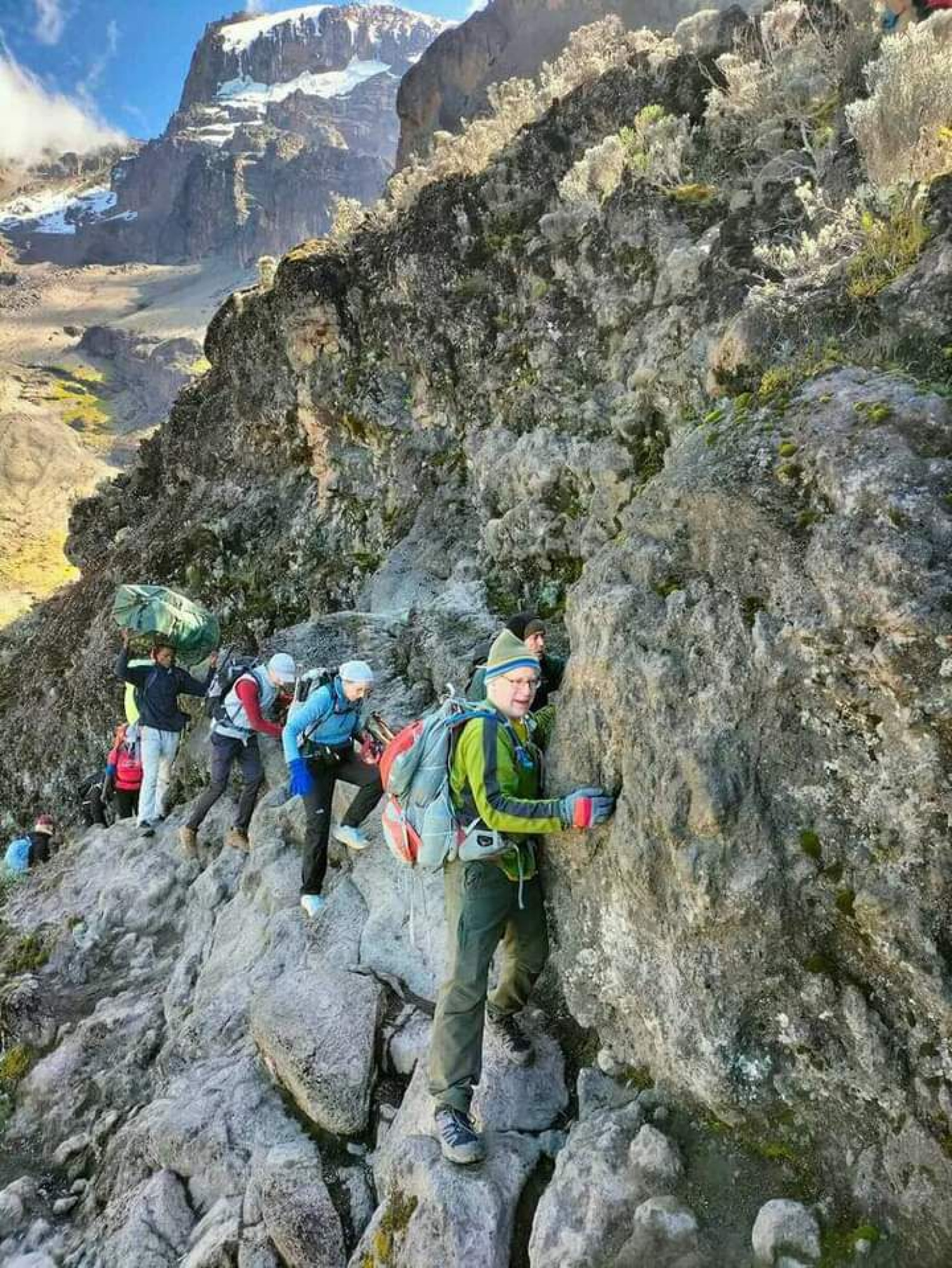
Mount Kilimanjaro is one of the world's most iconic trekking destinations. Standing at 5,895 metres (19,341 feet) above sea level, Africa's highest mountain attracts thousands of trekkers every year.
But photographs and itineraries don't always tell you what the experience actually feels like.
If you're planning your first Kilimanjaro climb, knowing what to expect can make the difference between simply reaching the mountain and genuinely enjoying the journey.
Here are 10 things nobody tells you before your first climb of Mount Kilimanjaro.
1. Kilimanjaro Is Not Just a Physical Challenge
You may think climbing Kilimanjaro is mainly about having strong legs and good fitness.
Fitness certainly helps, but mental preparation is just as important.
Kilimanjaro is a long-distance trek rather than a technical mountaineering expedition. You don't normally need ropes, climbing equipment or previous technical climbing experience on the standard routes.
What you do need is patience.
Some days involve hours of walking uphill. As you get higher, the air becomes thinner and your pace naturally slows. Summit night can be particularly demanding.
There will probably be moments when your body tells you to stop.
This is where a positive mindset, patience and listening to your guide become extremely important.
Kilimanjaro teaches you to take one step at a time.
2. You Don't Need to Be the Fittest Person in the Group
One of the biggest surprises for first-time climbers is that speed is not the goal.
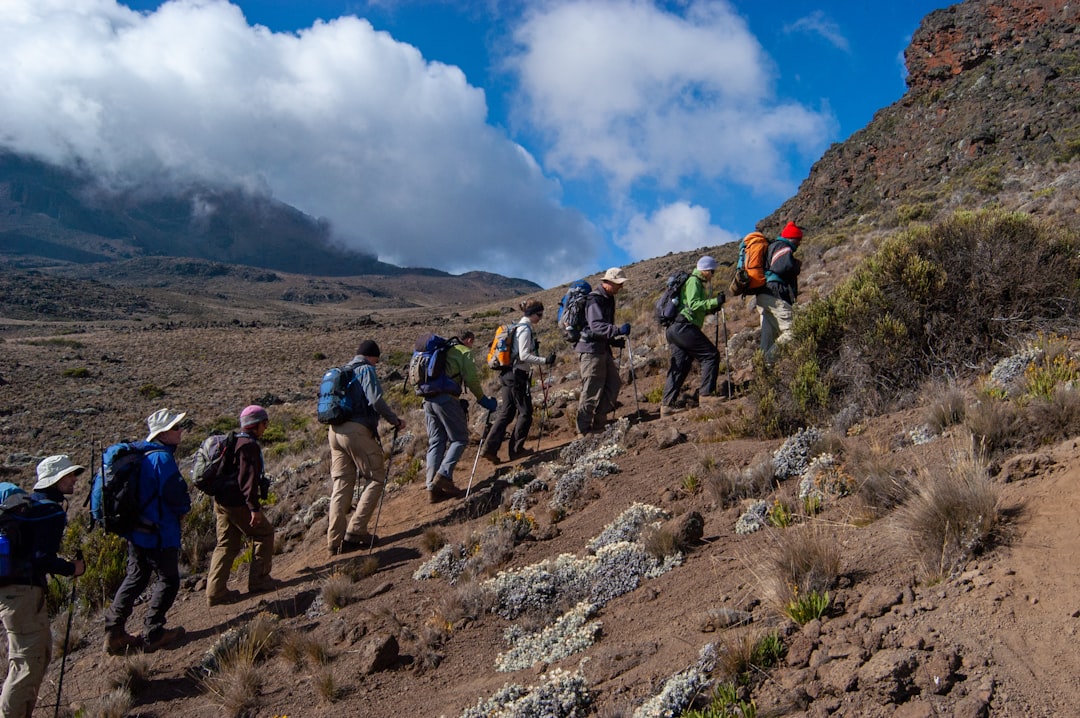
Your guide will often encourage you to walk slowly, especially as you gain altitude. You may hear the famous Swahili phrase:
“Pole pole.”
It means “slowly, slowly.”
Walking too quickly can make acclimatization more difficult and can leave you unnecessarily exhausted.
A person who runs marathons is not automatically guaranteed to reach the summit before someone with average fitness.
On Kilimanjaro, steady and sustainable usually beats fast and powerful.
3. Altitude Is Often More Important Than Fitness
This is one of the most important things to understand before your climb.
At sea level, your body has plenty of oxygen available. As you climb higher, atmospheric pressure decreases and each breath provides less oxygen.
That's why you may experience symptoms such as:
Headache
Tiredness
Shortness of breath
Reduced appetite
Difficulty sleeping
Nausea
These can be symptoms of acute mountain sickness (AMS).
Being physically fit does not make you immune to altitude illness.
This is why a well-designed itinerary matters. Routes with more days generally provide more time for your body to adapt to altitude.
If you develop concerning symptoms, tell your guide immediately. Don't try to hide symptoms simply because you want to reach the summit.
Your safety comes first.
4. The Summit Night Is Completely Different
You may spend several days getting used to hiking during daylight.
Then comes summit night.
Depending on your route and itinerary, you may begin your final ascent around midnight or in the early hours of the morning.
You'll walk through darkness, often in very cold conditions, using a headlamp to illuminate the trail ahead.
The pace is deliberately slow.
You may feel tired, cold and uncomfortable. But as the sky begins to brighten, the experience changes.
Seeing the sunrise from high on Kilimanjaro can become one of the most unforgettable moments of your life.
The summit is not just about the destination.
It's about remembering every step that brought you there.
5. You Will Probably Be Colder Than You Expect
Kilimanjaro takes you through several ecological zones, from warm lower slopes to an alpine desert and eventually the icy summit environment.
This means your clothing needs to change as you climb.
At lower elevations, you might be hiking in relatively warm weather.
Near the summit, temperatures can drop significantly, particularly at night and when wind is present.
Layering is therefore essential.
A typical clothing system might include:
Moisture-wicking base layer
Warm mid-layer
Fleece or insulated jacket
Waterproof/windproof outer layer
Warm hat
Gloves
Hiking trousers
Warm summit layers
Don't underestimate the importance of warm hands and feet.
6. Your Appetite May Change
Food is fuel, but altitude can affect your appetite.
Some climbers find themselves eating less than normal, even though they're using plenty of energy.
That's why it's important to eat regularly and stay hydrated.
Your trekking team will normally provide meals designed to keep you fueled throughout the climb.
You should also carry small snacks that you enjoy, such as:
Energy bars
Nuts
Dried fruit
Chocolate
Biscuits
Electrolyte drinks
And remember: drink water regularly.
Your guide can advise you on hydration based on the conditions and your individual needs.
7. Your Guide Is More Important Than You Think
First-time climbers sometimes focus heavily on the route, accommodation and equipment.
But your mountain crew can have an enormous influence on your experience.
An experienced guide can help you:
Maintain an appropriate pace
Recognize altitude-related symptoms
Decide when you need to rest
Navigate changing trail conditions
Stay motivated
Make sensible decisions about safety
Your relationship with your guide should be based on communication and trust.
If you feel unwell, tell them.
If you're struggling with the pace, tell them.
If you're worried about something, ask.
Your guide is there to help you have a safe and enjoyable climb—not simply to get you to the summit.
8. The Scenery Changes Dramatically
One of the best things about climbing Kilimanjaro is that the mountain doesn't look the same every day.
As you ascend, you'll pass through different ecological zones.
Cultivation Zone
Lower sections are surrounded by farms and local communities.
Montane Forest
Dense forest provides shade and a completely different atmosphere.
Moorland
The vegetation becomes more open, with giant heathers and dramatic mountain landscapes.
Alpine Desert
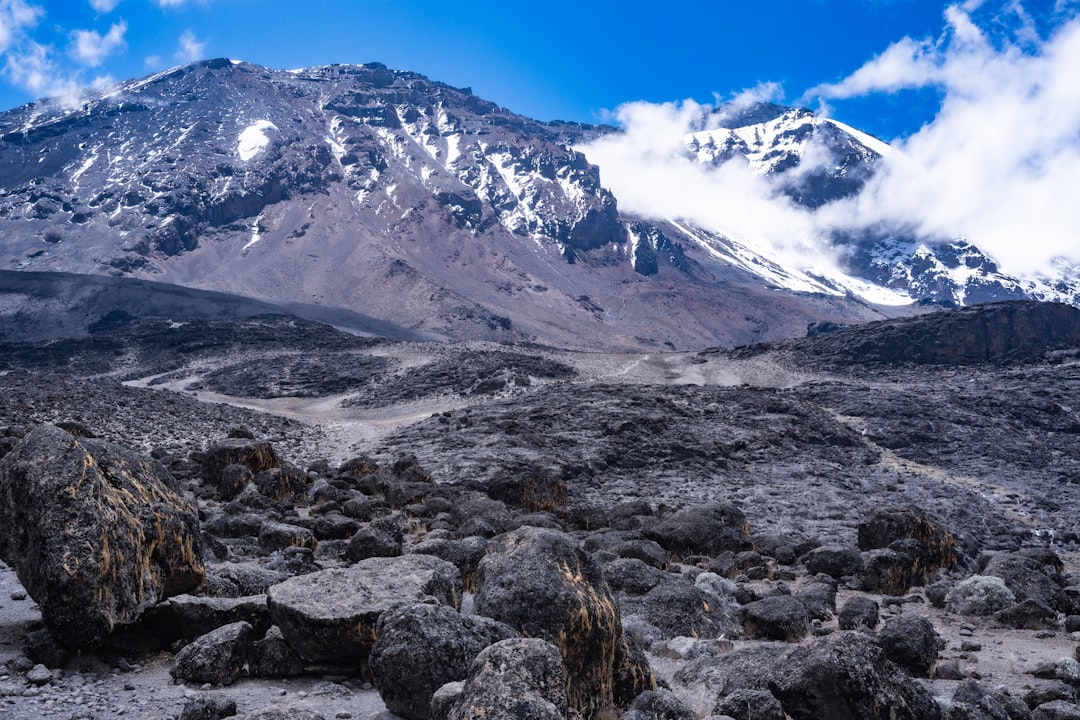
The landscape becomes increasingly rocky, dry and otherworldly.
Arctic Zone
Near the summit, you'll encounter extreme high-altitude conditions, glaciers and volcanic terrain.
The changing environment is one reason the journey is just as important as reaching Uhuru Peak.
9. You Don't Need Expensive Gear—But You Need the Right Gear
You don't have to buy the most expensive equipment available.
However, poor-quality or unsuitable gear can make your climb unnecessarily difficult.
Pay particular attention to:
Boots
Choose comfortable, broken-in hiking boots with good traction.
Backpack
A comfortable daypack is essential for carrying water, snacks, clothing and personal items.
Sleeping Bag
Choose one suitable for cold mountain conditions.
Headlamp
This is essential for summit night.
Rain Protection
Weather can change quickly, so waterproof clothing is important.
Trekking Poles
Many climbers find poles useful, particularly on steep descents.
The key is not having the most expensive equipment.
The key is having equipment that works for you.
10. Reaching the Summit Isn't the End of the Journey
This is perhaps the biggest thing nobody tells you.
When you reach Uhuru Peak, you might think the hard part is finished.
Not quite.
You still have to descend.
And descending can be surprisingly demanding on tired legs.
Your knees and feet may feel the strain, and the loose volcanic terrain can make the descent challenging.
That's why you should conserve energy throughout the climb and continue taking care of yourself after reaching the summit.
Eventually, you'll arrive back at camp—and that first proper rest can feel incredible.