By Uisso Adventures · August 9, 2026

Planning a safari in Tanzania is exciting, but it can also feel confusing at first. There are many national parks, different seasons, and many tour options. Travelers often ask how many days they need, which parks are best, and what a safari really costs.
As local guides at Uisso Adventures, we help visitors plan safaris every week. Some travelers come for the famous wildlife of Serengeti National Park, others want to see the incredible landscape of Ngorongoro Crater, and many want to combine safari with Zanzibar beaches.
This guide explains the process in a simple way. By the end, you will understand how to choose the right parks, how many days to spend on safari, and how to organize a trip that fits your time and budget.
Tanzania is one of the best safari destinations in Africa because wildlife areas are large, protected, and still natural. Some of the most famous safari places include Serengeti National Park (known for the Great Migration), Ngorongoro Crater (a volcanic crater full of wildlife), Tarangire National Park (famous for large elephant herds), and Lake Manyara National Park (known for birds and tree-climbing lions).
These parks are part of the northern safari circuit, the most popular route for travelers starting from Arusha. Because the parks are close to each other, visitors can see different landscapes and animals within a few days.
3 to 4 days: good for travelers with limited time, usually two parks such as Tarangire and Ngorongoro.
5 to 6 days: the most popular safari length, with time to visit Serengeti and experience more wildlife.
7 to 8 days: a longer safari with time to explore Serengeti properly and enjoy relaxed game drives.
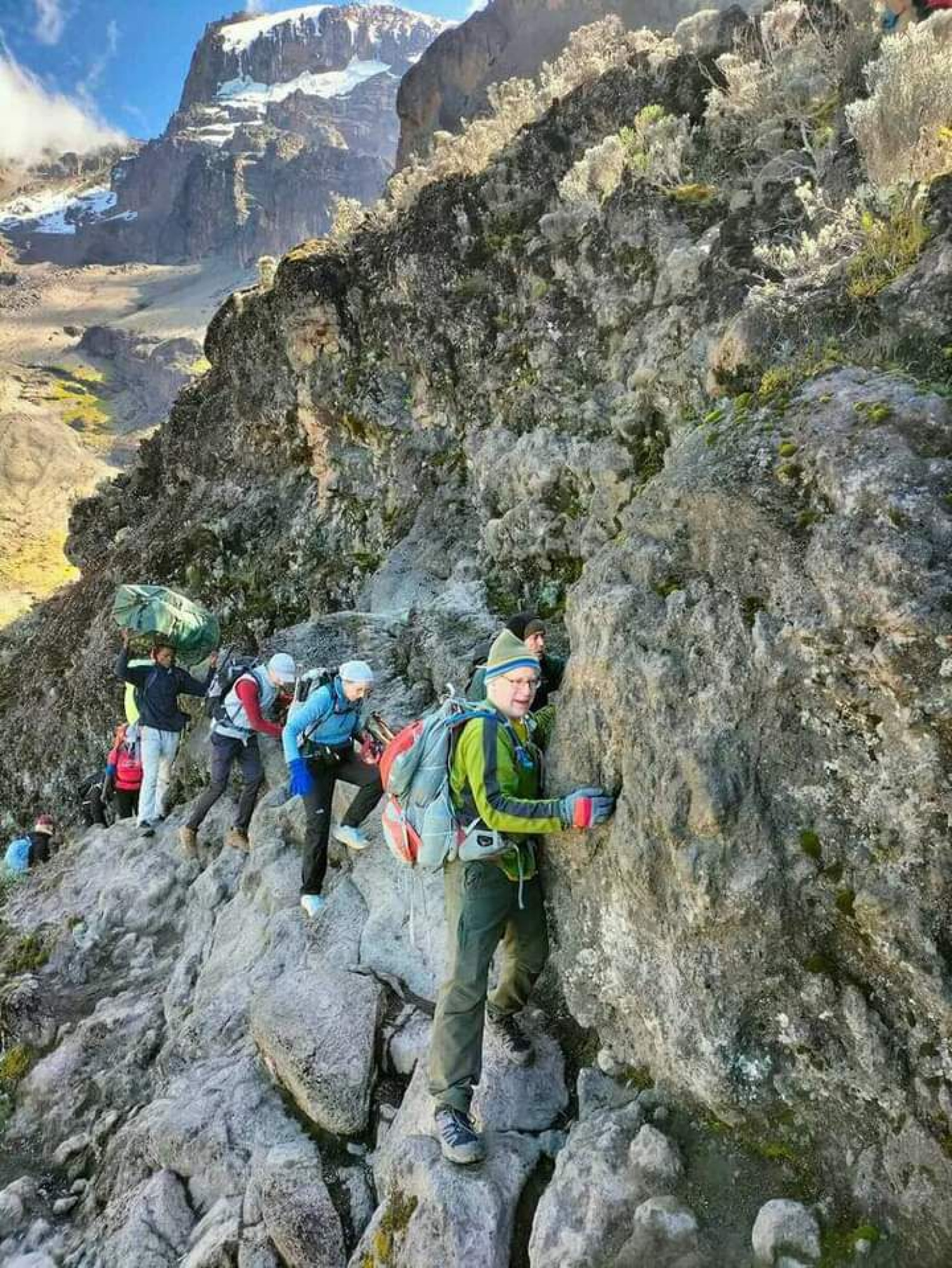
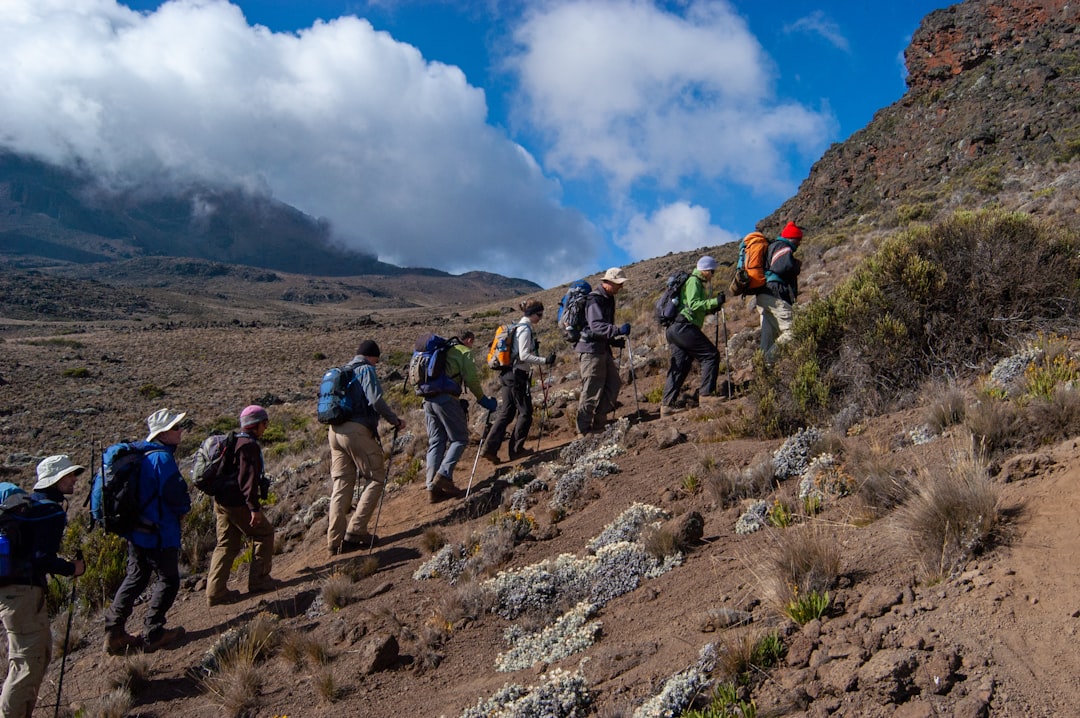
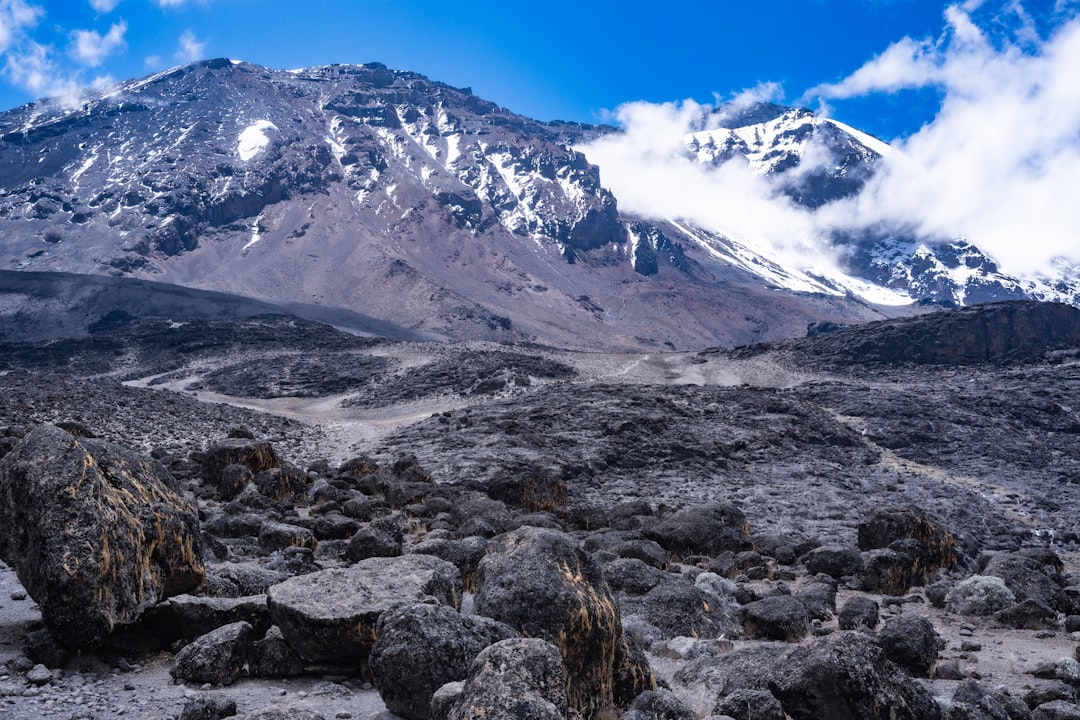
Many travelers combine safari with climbing Mount Kilimanjaro or relaxing on the beaches of Zanzibar.
Serengeti National Park is the most famous park in Tanzania, with huge plains and large numbers of animals including lions, elephants, cheetahs, and wildebeest. The Great Migration moves through Serengeti every year.
Ngorongoro Crater is a large volcanic crater containing many animals within a small area — game viewing is excellent even during a short visit.
Tarangire National Park is famous for elephant families and baobab trees; during the dry season many animals gather near the Tarangire River.
Lake Manyara National Park is known for flamingos, forests, and tree-climbing lions, and is often visited as a first stop on a safari route.
June to October is the dry season and most popular safari time; animals gather around water sources and wildlife is easier to see. January to February offers a short dry season with warm weather. March to May is the rainy season — parks are green and quiet with fewer visitors, but some roads may be muddy.
Safari accommodation generally falls into three categories: budget camping (simple tents at public campsites), mid-range lodges and tented camps (comfortable rooms with private bathrooms and good meals — the most popular choice), and luxury safari lodges (premium service and excellent locations inside the parks).
Safari prices depend on the number of days, accommodation level, park entry fees, vehicle type, and group size. Generally, safaris are priced per person per day and include park fees, a professional guide, vehicle, accommodation, and meals. A local tour operator like Uisso Adventures helps organize these details so travelers do not have to manage park permits and logistics themselves.
A safari guide is one of the most important parts of the experience. Good guides know how to track wildlife, explain animal behavior, choose the best routes inside parks, and share knowledge about nature and culture.
Most northern Tanzania safaris start in Arusha. International travelers usually arrive at Kilimanjaro International Airport, where your guide will pick you up and begin the safari journey in a 4x4 Land Cruiser with an open roof. Our recommendation is to start with the adventure of safari, then finish with a relaxation beach experience in Zanzibar.
Many visitors combine safari with climbing Mount Kilimanjaro, relaxing on the beaches of Zanzibar, visiting local cultures near Lake Eyasi, or exploring volcanic landscapes near Lake Natron.