By Uisso Adventures · August 18, 2026
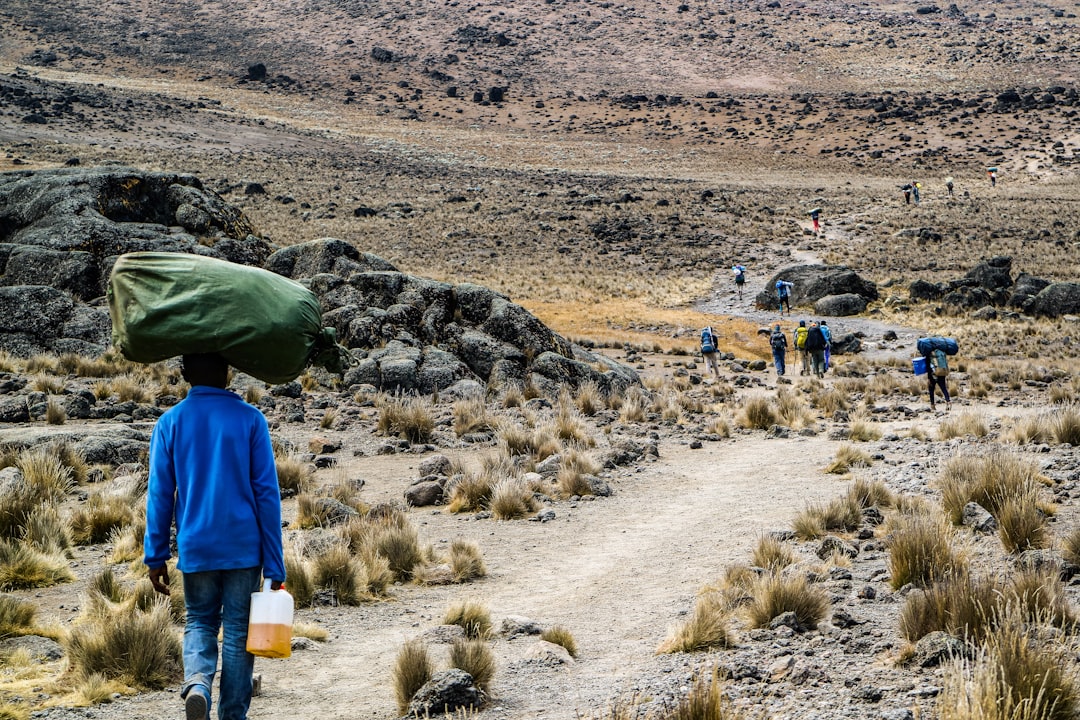
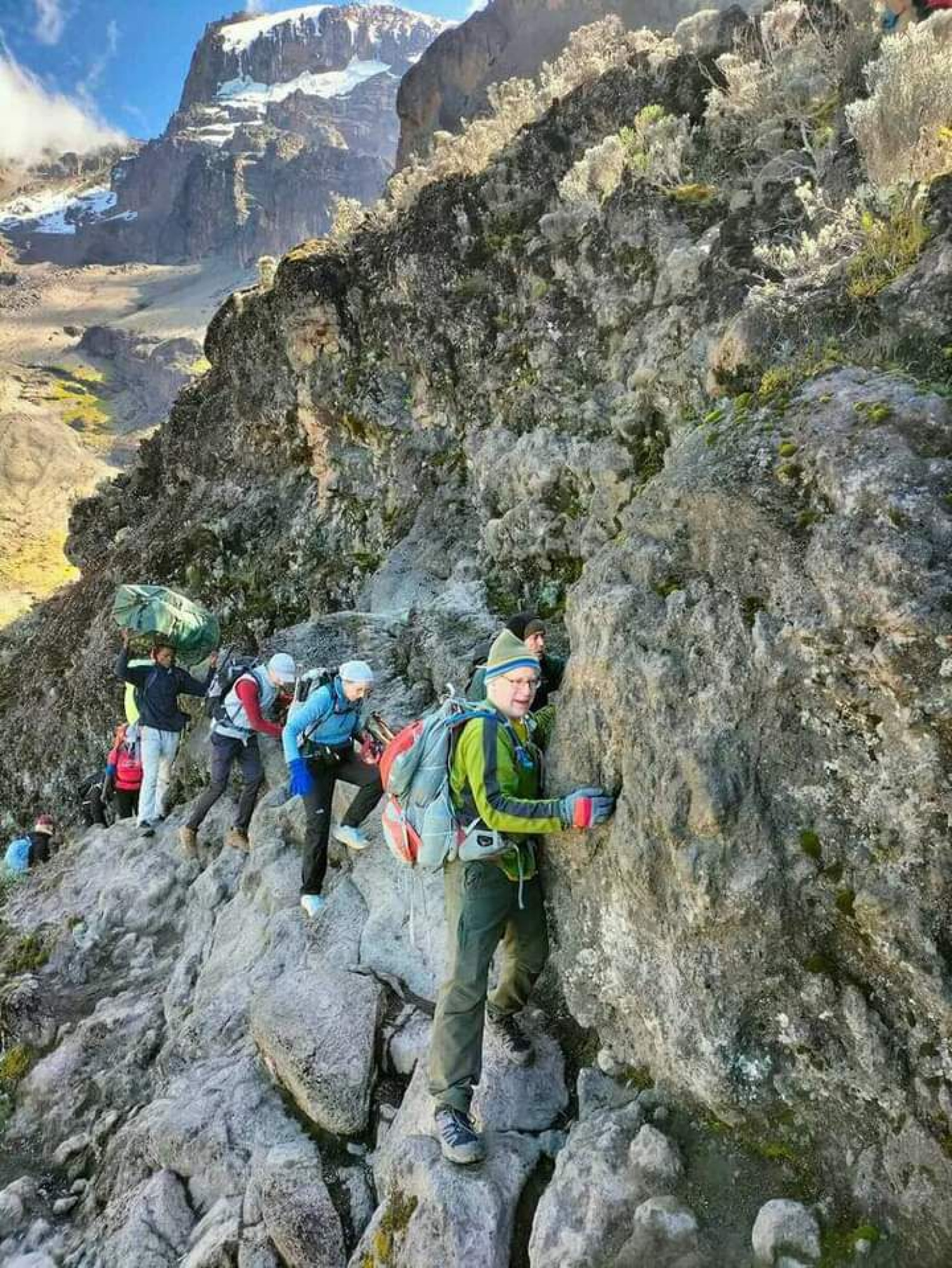
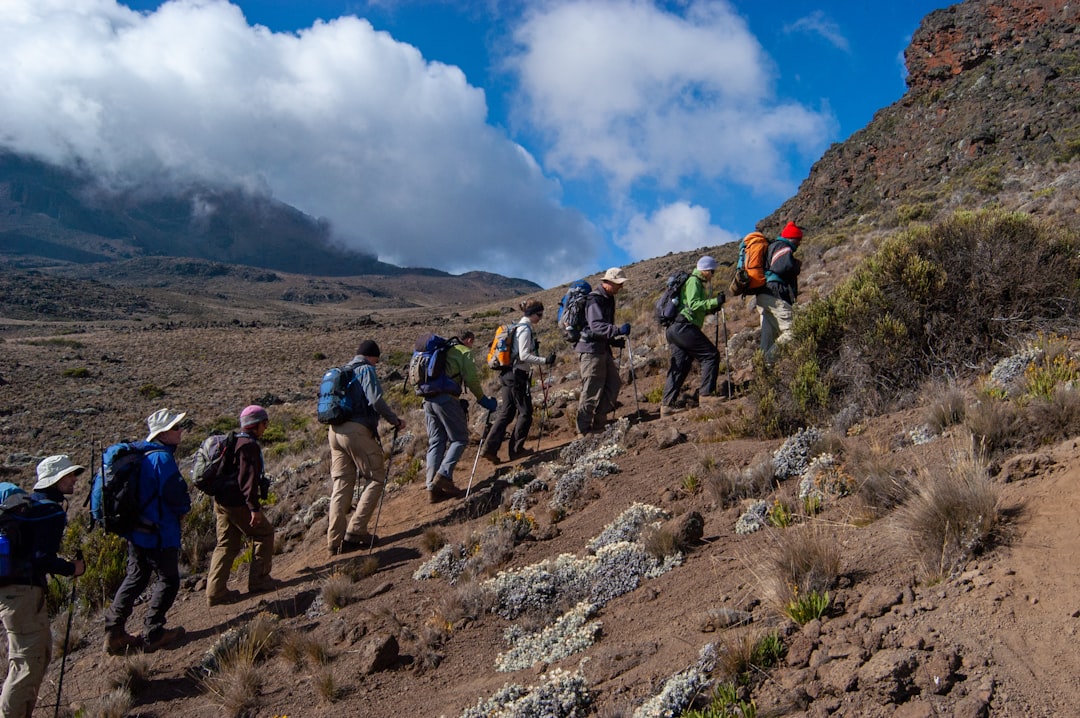
Climbing Mount Kilimanjaro is not only about reaching the summit. It is about choosing the right time so your journey is safe, enjoyable, and successful. As a local guide here in Tanzania, I have seen many climbers succeed and also struggle — one of the biggest reasons is timing.
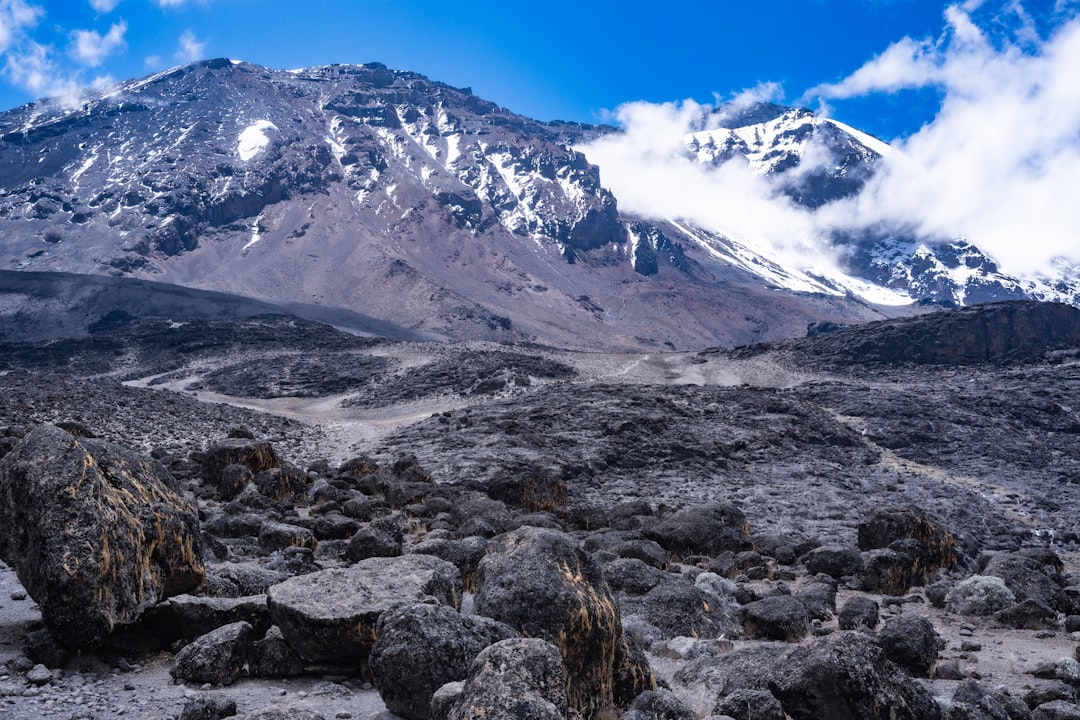
Mount Kilimanjaro stands at 5,895 meters above sea level, and creates its own weather. You will pass through different climate zones: rainforest at the base, moorland in the middle, alpine desert higher up, and arctic conditions at the summit. Even when it is sunny at the gate, it can be freezing at the top. There are two main dry seasons and two rainy seasons.
January to March: one of the best times to climb — mostly clear weather, fewer climbers than mid-year, colder temperatures (especially at night), and a good chance to see snow at the summit. Perfect if you want a quieter experience.
June to October: the most popular season, with very stable weather, clear skies most days, and less rain. If you want the safest weather window, this is the best time, but expect more people on the mountain, especially in July and August.
March to May is the long rainy season — heavy rain in the forest, muddy and slippery trails, and clouds blocking views. Climbing is still possible but more difficult. November has short rains, not as heavy as April, with some clear days and fewer climbers. December sees rains reduce as the dry season slowly returns — a good time to climb, especially mid to late month.
January: dry, clear — very good. February: warm, clear — excellent. March: start of rain — fair. April: heavy rain — not recommended. May: rain continues — not recommended. June: dry starts — very good. July: cool, dry — excellent. August: dry, busy — excellent. September: clear, fewer crowds — excellent. October: good weather — very good. November: short rains — fair. December: mixed but improving — good.
The highest success rates happen when weather is stable, trails are not too wet, and visibility is good — meaning January to March and June to October. Choosing a longer route and proper acclimatization matters even more than the month.
Late January, early March, September, and early October are quietest. Avoid July, August, and the Christmas period.
January to March has fresh snow and dramatic skies. September and October offer clear views and golden light.
There is no perfect month for everyone. For best weather choose June to October. For fewer people choose January or September. For unique views choose late February or early March. The most important things are preparation, a good guide team, and sufficient days on the mountain.